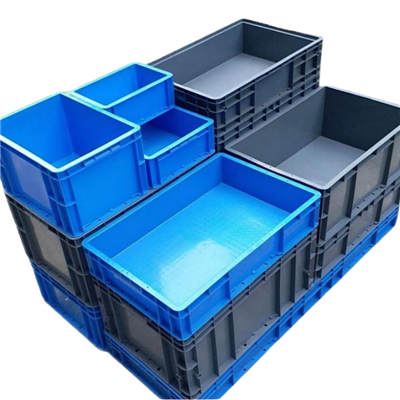
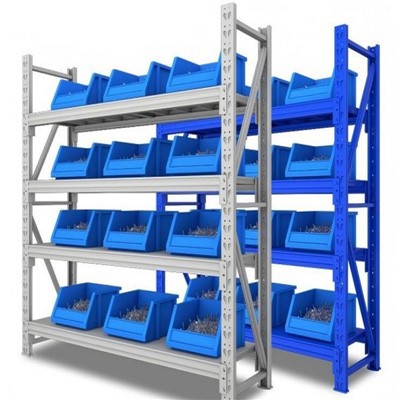
With the development of global supply chains and growing warehouse demands, businesses face dual challenges in inventory management efficiency and warehouse space optimization. Warehouse storage containers play a crucial role in modern warehouses, helping companies improve inventory management, reduce operational costs, and accelerate logistics operations. This article provides a detailed analysis of container types, benefits, application methods, and optimization strategies.
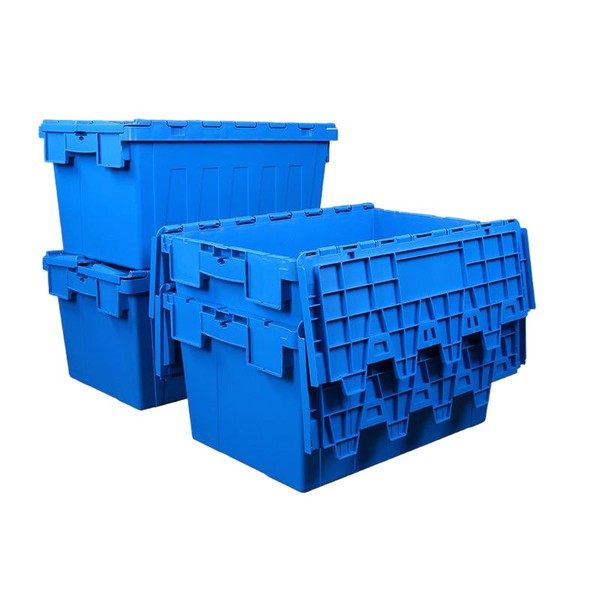
Main Types of Warehouse Storage Containers
Modern warehouses use various types of storage containers to accommodate different materials, sizes, and handling requirements. The table below summarizes common container types and their typical applications:
| Container Type | Material | Features | Typical Applications |
|---|---|---|---|
| Plastic Stackable Bin | High-strength polypropylene | Stackable, durable, moisture-resistant | Small parts, food, consumer goods |
| Metal Mesh Container | Steel mesh | Good ventilation, high load-bearing capacity | Heavy-duty materials, industrial components |
| Collapsible Container | Plastic or metal | Space-saving, reusable | Transport return, seasonal inventory |
| Slide Rail Tote | Plastic | Easy to handle, suitable for assembly lines | Automated production lines, logistics distribution |
| Wheeled Transport Bin | Plastic or metal | Mobile, convenient for handling | Large goods handling, warehouse sorting |
Selecting the right container type helps maximize warehouse space utilization and reduce operational costs.
Benefits of Warehouse Storage Containers
High-quality storage containers are more than just storage tools; they are essential for optimizing inventory management. Key benefits include:
Improved Space Utilization
Stackable and collapsible containers make full use of vertical warehouse space, reducing unused areas.
Enhanced Inventory Visibility
Mesh or transparent containers allow quick visual checks of inventory, preventing duplicate orders and overstock.
Increased Handling and Sorting Efficiency
Standardized containers work with pallets and racks, supporting both manual and automated handling systems, and accelerating logistics operations.
Reduced Damage and Loss
Durable containers protect materials during storage and transportation, minimizing damage and loss.
Compatibility with Automated Warehousing
Standardized containers can integrate with automated storage and retrieval systems (ASRS) and sorting robots for smart warehouse management.


Application Methods of Storage Containers
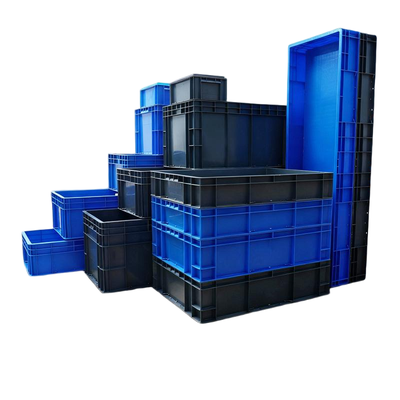
Proper use of storage containers can significantly improve inventory management and warehouse efficiency. Key methods include:
a. Categorized Storage and Labeling
Assign dedicated containers for different material types and use color coding or labels to improve retrieval efficiency.
| Material Type | Container Color | Labeling Method |
|---|---|---|
| Small Parts | Blue | Barcode label |
| Electronic Components | Transparent | QR code scanning |
| Food Ingredients | Red | Batch number management |
b. Stacking and Space Optimization
Use stackable containers combined with pallet racking systems to maximize vertical space, increase storage capacity, and maintain safety.
c. Automation Integration
Standardized container sizes are compatible with automated warehouse systems, conveyor belts, stackers, and sorting robots, improving picking and sorting efficiency.
d. Regular Maintenance and Cleaning
Keep containers clean and intact to reduce material contamination and loss, and extend container lifespan.
Optimization Examples in Real Warehouse Applications
The following table illustrates how warehouse storage containers optimize inventory management in different scenarios:
| Application Scenario | Solution | Optimization Outcome |
|---|---|---|
| Automotive Parts Warehouse | Heavy-duty plastic stackable bins | Reduced warehouse footprint by 20%, increased picking efficiency by 30% |
| Express Logistics Center | Collapsible transport bins | Reduced return transport cost by 15%, decreased material loss |
| Food Distribution Center | Transparent plastic bins + batch management | Improved inventory visibility and reduced overstock |
These examples show that selecting and managing the right storage containers enables businesses to achieve efficient inventory control and streamlined logistics operations.
Key Recommendations for Choosing Effective Storage Containers
Assess Inventory Characteristics
Choose the appropriate material and size based on item weight, volume, and fragility.
Consider Handling Requirements
Ensure containers are compatible with manual handling, forklifts, and automated systems.
Focus on Standardization
Uniform container sizes and stacking methods facilitate warehouse management and automation processes.
Prioritize Durability and Reusability
Durable containers reduce long-term operational costs and minimize replacement frequency.
Conclusion
Warehouse storage containers are a vital component of modern inventory management. By selecting and using containers effectively, companies can improve space utilization, enhance inventory visibility, reduce material loss, increase handling efficiency, and smoothly transition to automated warehousing systems. Combined with categorized storage, stacking optimization, and regular maintenance, storage containers provide significant management benefits and cost advantages for enterprises.
Modern businesses should treat high-efficiency storage containers as essential tools for optimizing warehouse layout and processes, achieving intelligent and efficient warehouse operations.
Frequently Asked Questions (FAQ)
Q: How can I determine the right container size for my warehouse?
A: Assess the dimensions, weight, and quantity of your inventory. Consider stackability, shelf compatibility, and handling equipment. Using modular or standardized containers helps optimize space and simplifies management.
Q: Can storage containers improve order fulfillment speed?
A: Yes. By using stackable, categorized, and labeled containers, employees can quickly locate items, and containers compatible with conveyors or automated picking systems significantly increase order processing efficiency.
Q: How often should warehouse containers be inspected or replaced?
A: Regular inspection is recommended every 6–12 months depending on usage. Check for cracks, wear, or contamination. Replace damaged containers promptly to prevent inventory loss or safety hazards.
Q: Are there solutions for seasonal or fluctuating inventory levels?
A: Collapsible and foldable containers are ideal for seasonal or variable inventory. They can be stored compactly when not in use, providing flexibility without occupying valuable warehouse space.
Q: How can technology enhance container-based inventory management?
A: Integrating containers with barcode scanning, QR codes, or RFID allows real-time tracking, automated inventory updates, and improved accuracy. Combined with warehouse management systems (WMS), it supports better decision-making and resource allocation.