

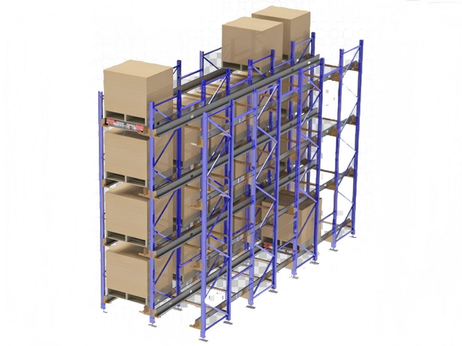
Warehouse racking is the backbone of efficient storage and inventory management in modern logistics. Whether you operate a distribution center, factory, or e-commerce warehouse, the right racking system can maximize storage capacity, improve workflow efficiency, and reduce operational costs.
In this comprehensive guide, we'll explore warehouse racking types, benefits, design considerations, and how Riches Logistics delivers advanced storage solutions for global B2B clients.
What Is Warehouse Racking?
A warehouse racking system is a structured storage solution designed to store goods on pallets or shelves in vertical levels, optimizing both floor and vertical space.
These systems are typically made from steel or other durable materials and are engineered to handle heavy loads while ensuring safe and efficient access to inventory.
Core functions:
●Maximize vertical storage space
●Improve inventory organization and accessibility
●Support efficient material handling operations
●Enable faster order picking and replenishment
Key Benefits of Warehouse Racking Systems
Implementing the right warehouse racking system offers multiple advantages:
Space Optimization
Racking systems allow warehouses to utilize vertical space, significantly increasing storage capacity without expanding the facility.
Improved Inventory Management
Organized storage ensures better inventory visibility, tracking, and control, reducing errors and stock discrepancies.
Enhanced Operational Efficiency
With proper layout and accessibility, workers can pick, store, and move goods faster, improving throughput.
Increased Safety
Modern racking systems include safety features such as guards and load ratings, reducing accidents and product damage.
Cost Reduction
Efficient storage reduces labor costs, minimizes wasted space, and improves overall warehouse productivity.
Types of Warehouse Racking Systems
Selective Pallet Racking
The most common system, offering direct access to every pallet.
Best for:
●High SKU variety
●Fast-moving inventory
High-density systems where forklifts enter the rack structure.
Best for:
●Bulk storage
●Low SKU diversity
Features:
●Maximizes storage density
●Supports LIFO or FIFO (drive-through)
Uses inclined rails to store pallets in depth.
Best for:
●Medium-density storage
●Limited space environments
Uses gravity rollers for automatic pallet movement.
Best for:
●FIFO inventory systems
●High-throughput operations
Designed for long or irregular items such as pipes, lumber, or steel.
Best for:
●Construction materials
●Manufacturing industries
Ideal for small items and order picking operations.
Benefits:
●Improved picking efficiency
●Reduced labor movement
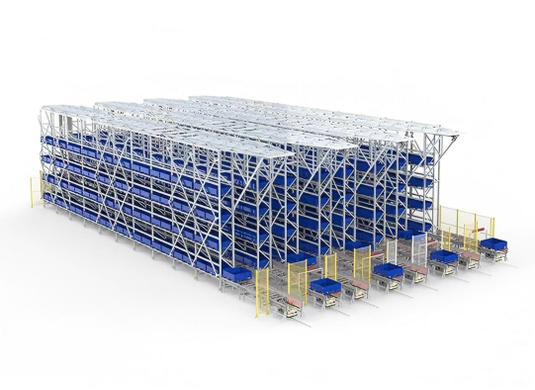
Advanced systems integrated with automation and robotics.
Best for:
●High-volume warehouses
●Smart logistics centers
These racking types allow businesses to choose between high accessibility or high storage density, depending on operational needs.
Key Factors to Consider When Designing a Racking System
Designing an efficient warehouse racking system requires careful planning:
●Available Space & Layout
Evaluate floor space, building constraints, and aisle width for equipment movement.
●Vertical Clearance
Maximize vertical storage while ensuring compliance with fire and safety regulations.
●Load Capacity
Ensure racks are designed for the weight and size of stored goods to prevent overloading.
●SKU Variety
High SKU environments require more accessible systems like selective racking.
●Inventory Flow (FIFO/LIFO)
Choose racking systems that align with your inventory strategy.
●Throughput Requirements
Consider inbound and outbound volume to select the right system for efficiency.
●Budget & ROI
Balance initial investment with long-term operational savings and scalability.
Warehouse Racking Materials & Construction
Most warehouse racking systems are built from:
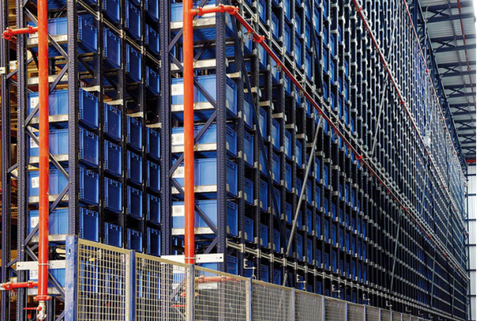
●Steel: High strength, durability, and load capacity
●Stainless steel: Ideal for food and pharmaceutical industries
●Aluminum: Lightweight applications
●Wire decking: Improved airflow and visibility
Steel remains the most widely used material due to its strength, durability, and long service life.
How Riches Logistics Optimizes Warehouse Racking?
Riches Logistics is a leading provider of warehouse storage and automation solutions, helping businesses worldwide enhance efficiency and scalability.
Customized Racking Solutions
●Tailored pallet racking systems
●High-density storage designs
●Flexible configurations for different industries
Space Optimization Expertise
●Professional warehouse layout planning
●Maximized cubic storage utilization
●Reduced aisle space and improved flow
Integration with Automation
●AS/RS systems
●Conveyor and sorting integration
●Smart warehouse solutions
B2B Project Capability
●OEM/ODM customization
●Global export experience
●Cost-effective solutions with high ROI
Riches helps clients transform traditional warehouses into high-efficiency, scalable logistics hubs.
Warehouse Racking Best Practices
To maximize performance:
●Conduct regular safety inspections
●Train staff on proper loading procedures
●Use labeling systems for inventory tracking
●Optimize slotting based on demand
●Plan for future scalability
Future Trends in Warehouse Racking
Automation & Smart Warehousing
Integration with robotics and WMS systems
High-Density Storage Solutions
Maximizing space in urban and high-cost areas
Sustainability
Energy-efficient and recyclable materials
Modular & Flexible Systems
Adaptable racking for changing inventory needs
Conclusion
Warehouse racking is a critical component of modern supply chains, enabling businesses to maximize space, improve efficiency, and reduce costs.By selecting the right racking system and partnering with experts like Riches Logistics, companies can build future-ready warehouses that support growth, automation, and global competitiveness.
FAQ
1. What is the most common type of warehouse racking?
Selective pallet racking is the most widely used due to its flexibility and accessibility.
2. How do I choose the right racking system?
Consider space, load capacity, SKU variety, and inventory flow (FIFO/LIFO).
3. What materials are best for warehouse racks?
Steel is the most durable and commonly used material.
4. Can warehouse racking be customized?
Yes, companies like Riches offer fully customized solutions.
5. Is automated racking worth the investment?
Yes, especially for high-volume operations, as it improves efficiency and reduces labor costs.
6. How long do racking systems last?
With proper maintenance, they can last 10–20+ years.


