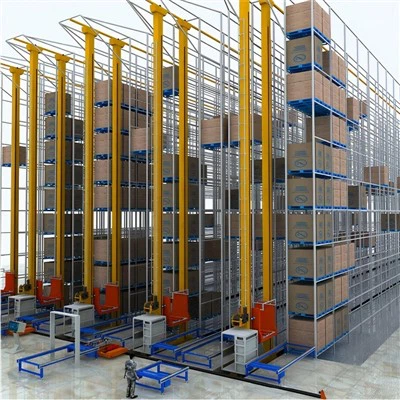
Warehouse automation has become a key driver in improving efficiency, reducing costs, and optimizing supply chains in modern warehousing. With continuous advancements in technology, automated warehousing systems are no longer a futuristic concept but an essential solution for businesses today. In this guide, we will explore what warehouse automation is, its benefits, key technologies, and steps for implementation. We will also introduce Riches as a leading provider of top-tier automated warehousing solutions, helping businesses achieve smarter warehouse management.
What is Warehouse Automation?
Warehouse automation refers to the use of advanced technology and equipment to replace manual labor in various warehouse processes, including storage, picking, handling, and sorting. By integrating automated systems like Automated Storage and Retrieval Systems (ASRS), conveyors, sorting machines, and robots, warehouses can significantly increase operational efficiency, reduce error rates, and operate 24/7.
Warehouse automation not only improves storage and picking efficiency but also includes features like intelligent data analytics, real-time inventory monitoring, and smart scheduling. These systems help businesses streamline their operations and ensure smoother, more precise logistics management.
Benefits of Warehouse Automation
Increased Efficiency
Automated warehouse systems dramatically increase the speed at which goods are handled. For example, automated picking systems can complete order picking tasks faster and with higher accuracy, improving overall warehouse throughput.
Cost Reduction
By reducing reliance on manual labor, companies can lower labor costs. Additionally, automated systems typically require less maintenance and result in fewer equipment breakdowns, leading to reduced overall operating expenses.
Enhanced Accuracy
Automation reduces human error, improving inventory management and ensuring that goods are picked and sorted accurately. Automated systems, such as robotic pickers, are highly precise and help eliminate issues like mis-picking and stock discrepancies.
Flexibility and Scalability
Automated systems are adaptable to a wide range of products and warehouse sizes. As business needs evolve, automation solutions can be easily expanded and modified to accommodate new products or changes in order volume, ensuring ongoing operational flexibility.
Better Data Analytics and Decision-Making
Modern automated systems come equipped with data analytics tools that provide real-time insights into inventory status, order processing progress, and more. These data-driven insights help businesses optimize inventory management and make informed decisions about future operations.
Key Technologies in Warehouse Automation
Automated Storage and Retrieval Systems (ASRS)
ASRS is a highly automated solution that uses machines to store and retrieve goods in the warehouse. These systems save space, increase storage capacity, and ensure fast and efficient retrieval of items. Integrated with intelligent software, ASRS can optimize goods movement based on real-time data.
Automated Conveyor Systems
Conveyor systems are essential components in automated warehouses, transporting goods from one workstation to another. These systems dramatically reduce manual handling and increase the speed at which goods are moved through the warehouse.
Automated Picking Systems
Automated picking systems, such as robotic pickers and automated sorting machines, perform the task of picking items from shelves or bins based on order specifications. These systems significantly improve picking speed and accuracy, which are crucial for efficient warehouse operations.
Warehouse Management System (WMS)
A Warehouse Management System (WMS) is the backbone of any automated warehouse, as it manages the coordination of all activities in the warehouse, including inventory management, order fulfillment, and shipping. A WMS ensures that operations run smoothly and efficiently by providing real-time data on inventory levels and order progress.
Automated Sorting Systems
Automated sorting systems are responsible for sorting goods according to various criteria, such as destination or product type. These systems increase sorting speed and accuracy while minimizing human intervention, leading to higher throughput and reduced errors.
Riches' Automated Warehousing Solutions
As a leading China-based automated warehousing solutions provider, Riches specializes in delivering efficient and flexible automation systems to clients worldwide. With years of experience and expertise in the field, Riches offers custom-designed solutions tailored to the unique needs of businesses, helping them achieve smarter warehouse management.
Riches' automated warehousing systems encompass ASRS, automated conveyors, automated picking systems, and advanced WMS integration. Whether for a small warehouse or a large distribution center, Riches provides highly efficient and accurate automation solutions that optimize warehouse operations.
As a top supplier of automated warehousing solutions, Riches continuously innovates and improves its systems to meet the evolving demands of the global market. Through advanced technology, Riches enables clients to enhance storage density, reduce transit times, and streamline order fulfillment, helping businesses stay ahead in the competitive logistics landscape.

Frequently Asked Questions When Buying Automated Warehousing Solutions
What is the typical implementation timeline for an automated warehousing system?
The implementation timeline varies depending on the size and complexity of the system. For smaller warehouses, automation can be implemented within a few months, while larger systems may take six months or longer to fully integrate.
Is warehouse automation suitable for all types of warehouses?
Yes, automated warehousing systems can be customized to meet the needs of different types of warehouses, from traditional storage facilities to modern logistics centers.
Are automated systems expensive?
While the initial investment for an automated system can be high, the long-term savings in labor costs, increased operational efficiency, and reduced error rates typically lead to a quick return on investment.
How do I choose the right supplier for my automated warehousing system?
When selecting an automation supplier, consider their technological capabilities, industry experience, and after-sales support. Riches, as a leading automated warehousing supplier, offers comprehensive services and support throughout the project lifecycle.
How easy is it to maintain an automated warehousing system?
Automated warehousing systems are typically reliable and require less maintenance than traditional systems. Many suppliers, including Riches, offer regular maintenance services to ensure the continued performance of your system.
Can automated warehousing systems integrate with existing warehouse management systems (WMS)?
Yes, modern automated systems are designed to seamlessly integrate with existing WMS, ensuring smooth operations and real-time coordination between systems.
Conclusion
Warehouse automation is no longer just a trend but a critical component of modern supply chain management. By implementing automated systems, businesses can significantly improve efficiency, reduce costs, and streamline their operations. Riches, as a leading supplier of automated warehousing solutions, offers customized and cutting-edge systems designed to meet the unique needs of each client. With its innovative approach and reliable service, Riches is helping businesses transform their warehouse operations for greater efficiency and profitability in the competitive logistics industry.