Challenges of Manual Warehouse Picking
Traditional warehouse picking methods are increasingly unable to meet the demands of modern logistics, especially with the rapid growth of e-commerce and global supply chains.
Manual picking operations often result in frequent errors, inefficient workflows, and high operational costs. Studies show that even a small error rate of 1–3% can significantly impact profitability and customer satisfaction.
In addition, labor costs account for up to 55–65% of warehouse expenses, making manual picking one of the most expensive processes in warehouse operations.
Other key challenges include:
●Slow picking speed due to excessive walking time
●Dependence on workforce availability
●High risk of workplace injuries
●Difficulty scaling during peak seasons
👉 These limitations are driving global demand for automated warehouse picking systems.
Types of Automated Warehouse Picking Systems
To improve warehouse efficiency and reduce operational risks, businesses are increasingly adopting advanced picking technologies. Modern warehouse picking automation solutions combine robotics, software, and intelligent workflows.
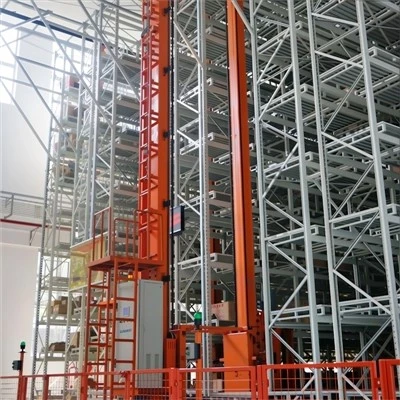
●AS/RS (Automated Storage and Retrieval Systems)
AS/RS systems use cranes, shuttles, or robotic arms to automatically store and retrieve goods. These systems significantly reduce travel time and improve storage density.
●AGV / AMR Robots
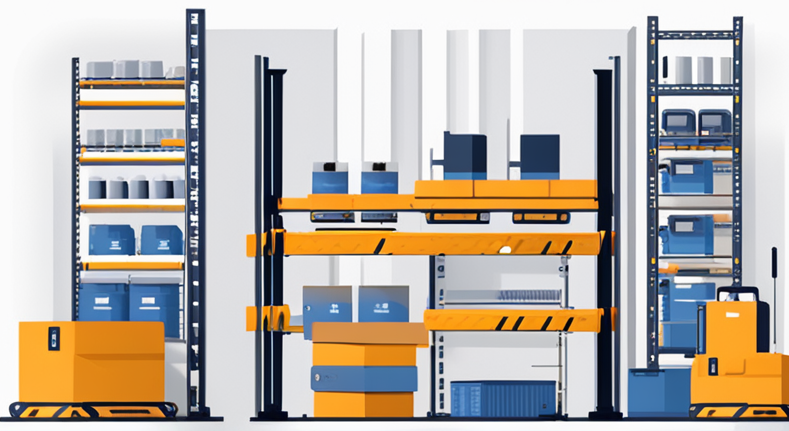
Automated Guided Vehicles (AGVs) and Autonomous Mobile Robots (AMRs) transport goods between picking zones, reducing manual handling and improving workflow efficiency.
●Pick-to-Light Systems
Pick-to-light systems guide operators using LED indicators, improving picking speed and reducing human error in high-volume operations.
●Voice Picking Systems
Voice-directed picking enables hands-free operation, increasing productivity and allowing workers to focus on accuracy and efficiency.
●Vision-Based Picking Technology
AI-powered vision systems identify and verify products, enabling highly accurate picking in industries such as electronics and pharmaceuticals.
●Conveyor and Sortation Systems
Automated conveying systems streamline material flow between picking, packing, and shipping areas.
●Collaborative Robots (Cobots)
Cobots assist human workers by handling repetitive tasks, improving both efficiency and workplace safety.
Key Benefits of Automated Warehouse Picking Systems
Implementing automated picking solutions provides significant operational and strategic advantages:
●Higher Accuracy and Reduced Errors
Automation technologies can achieve up to 99.9% picking accuracy, minimizing costly mistakes and returns.
●Increased Efficiency and Throughput
Automated systems can improve picking speed by 200–300%, enabling faster order fulfillment.
●Lower Labor Costs
By reducing reliance on manual labor, companies can significantly cut operational expenses and improve ROI.
●Scalable Operations
Automation allows warehouses to handle peak demand without increasing workforce size.
●Improved Workplace Safety
Reducing repetitive and physically demanding tasks lowers injury risks and improves working conditions.
●Optimized Space Utilization
High-density storage solutions like AS/RS maximize warehouse space and increase storage capacity.
Best Applications for Automated Warehouse Picking
Automated warehouse picking systems are best suited for industries with high order volumes and standardized products.
Ideal industries include:
E-commerce fulfillment centers
●3PL logistics providers
●Retail distribution warehouses
●Manufacturing supply chains
Suitable product types:
Electronics and small components
●Apparel and fashion items
●Pharmaceuticals and medical supplies
●Fast-moving consumer goods (FMCG)
👉 If your products are standardized and high-volume, automation can dramatically improve performance.
Safety and Compliance in Automated Warehouses
While automation improves efficiency, safety remains a top priority in warehouse operations.
Key safety practices include:
●Employee training on automated systems
●Regular equipment inspection and maintenance
●Clearly defined safety zones and traffic rules
●Compliance with international standards such as OSHA and ISO
A well-integrated warehouse management system (WMS) helps monitor operations, ensure compliance, and maintain full traceability.
Why Choose Riches Automated Warehouse Picking Solutions
As a professional China automated warehouse picking system manufacturer, Riches provides advanced logistics automation solutions tailored to global customers.
●Integrated Automation Solutions
Riches offers complete systems including AS/RS, conveyor systems, warehouse racking, and robotic picking solutions to optimize warehouse operations.
●Customized Project Design
Each solution is tailored based on warehouse layout, product type, and operational requirements, ensuring maximum efficiency and ROI.
●Advanced Technology Integration
Riches integrates WMS, robotics, and intelligent control systems to enable real-time data tracking and seamless workflow automation.
●Proven Performance in Global Markets
With extensive experience in logistics automation projects, Riches supports clients across e-commerce, manufacturing, and distribution industries.
●Cost-Effective Solutions
Compared with European and American suppliers, Riches provides competitive pricing without compromising quality.
●End-to-End Service Support
From design and manufacturing to installation and after-sales service, Riches delivers complete project support.

FAQ
1. What is automated warehouse picking?
It is the use of automation technologies such as robots, WMS, and conveyors to pick items with minimal human intervention.
2. How much can automation improve efficiency?
Automated systems can increase picking efficiency by up to 300% depending on the solution.
3. What industries benefit the most from picking automation?
E-commerce, 3PL logistics, retail, and manufacturing industries benefit the most.
4. Is automated picking suitable for small warehouses?
Yes, scalable solutions such as AMRs and modular systems can be adapted for small to medium warehouses.
5. What is the ROI of automated picking systems?
Most businesses achieve ROI within 1–3 years through labor cost savings and increased efficiency.
6. How to choose the right warehouse picking system supplier?
Key factors include system integration capability, customization, project experience, and after-sales support.