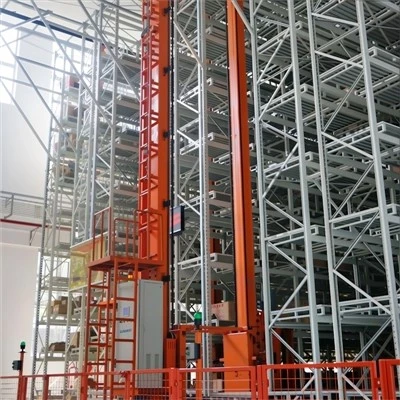
In many warehouses, efficiency is not determined by floor space-but by how intelligently that space is structured. Two facilities with identical dimensions can achieve completely different storage capacities and operational speeds depending on how their racking systems are designed.
As global supply chains continue to evolve, warehouse expectations are shifting from simple storage to high-density, high-efficiency, scalable, and safety-driven systems. Among all storage infrastructure components, the Pallet Rack system has become the backbone of modern warehouse design.
What Is a Pallet Rack System?
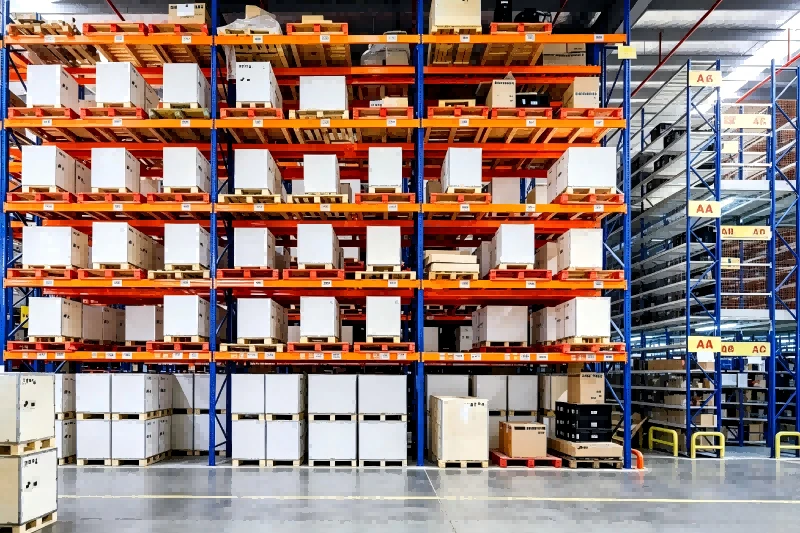
A Pallet Rack system is a steel-structured storage solution designed to hold palletized goods in vertical layers. It is widely used in industrial and logistics environments where efficiency, accessibility, and scalability are essential.
Maximizing vertical warehouse space utilization
Improving material handling efficiency
Organizing inventory clearly and systematically
Reducing labor and picking time
Enhancing warehouse safety and structural stability
In modern logistics systems, pallet racking is often integrated with forklifts and warehouse management systems (WMS) to form a complete storage ecosystem.
Key Measurements Before Designing Pallet Rack
Accurate warehouse measurement is the foundation of any racking design. Even small errors can lead to inefficient layouts or safety risks.
Essential Measurement Parameters
| Category | Parameter | Description | Design Impact |
|---|---|---|---|
| Building Dimensions | Length × Width × Height | Overall warehouse space | Layout planning |
| Clear Height | Usable vertical height | Limits rack levels | Storage capacity |
| Pallet Size | Length × Width × Height | Standard or custom pallets | Beam spacing |
| Load Capacity | Weight per pallet | Maximum load requirement | Upright selection |
| Forklift Type | Equipment used | Reach truck / counterbalance | Aisle width |
| Dock Position | Loading/unloading points | Workflow direction | Layout optimization |
| Floor Load | kg/m² capacity | Structural limitation | Safety compliance |
In professional projects, engineering teams such as Riches Logistics and Warehousing Co., Ltd. often use digital warehouse simulation tools to validate layouts before installation, reducing costly redesign risks.
Main Types of Pallet Rack Systems
Different storage requirements require different rack configurations. Choosing the wrong type can significantly reduce warehouse efficiency.
Comparison Table of Pallet Rack Types
| Type | Feature | Advantage | Best For |
|---|---|---|---|
| Selective Rack | Direct access to every pallet | Highest flexibility | Multi-SKU warehouses |
| Drive-In Rack | High-density storage | Maximum space usage | Bulk storage |
| Double Deep Rack | Two pallets deep | Higher density than selective | Medium turnover goods |
| Flow Rack | Gravity-fed system | FIFO inventory control | Food & pharmaceuticals |
| Mezzanine Rack | Multi-level platform | Expands vertical space | Limited floor area |
Design Logic Behind Pallet Rack Configuration
A well-designed warehouse racking system always follows three core principles:
Vertical space should always be prioritized over horizontal expansion.
Forklift travel distance should be minimized to improve operational efficiency.
Engineering designs typically include a 10%–30% load safety buffer.
Core Structural Components of Pallet Rack
A pallet rack system consists of multiple engineered components, each serving a critical structural role.
| Component | Function | Engineering Requirement |
|---|---|---|
| Upright Frame | Main load-bearing structure | High-strength steel |
| Beam | Supports pallet loads | Adjustable height design |
| Decking | Prevents pallet drop | Steel panel or mesh |
| Connectors | Structural locking system | Heavy-duty bolts |
| Safety Accessories | Protection system | Guard rails, mesh backs |
| Base Plates | Floor anchoring | Expansion bolts |
Common Mistakes in Pallet Rack Planning
Many warehouse operators face inefficiencies due to avoidable planning mistakes:
Purchasing racks based only on price
Ignoring forklift turning radius
Underestimating future SKU growth
Poor utilization of warehouse height
Lack of safety protection systems
No layout simulation before installation
These issues often lead to hidden operational costs and reduced warehouse productivity.
Why Professional Warehouse Solutions Matter
Modern warehousing is no longer just about buying storage racks-it is a complete engineering system involving:
Warehouse layout planning
Structural load calculations
Material flow optimization
Safety compliance (ISO / FEM standards)
Installation and maintenance services
Riches Logistics and Warehousing Co., Ltd. provides end-to-end warehouse engineering solutions, combining design expertise with practical installation experience. Their approach focuses on modular and scalable systems, allowing businesses to expand storage capacity efficiently as operations grow.
Industry Applications
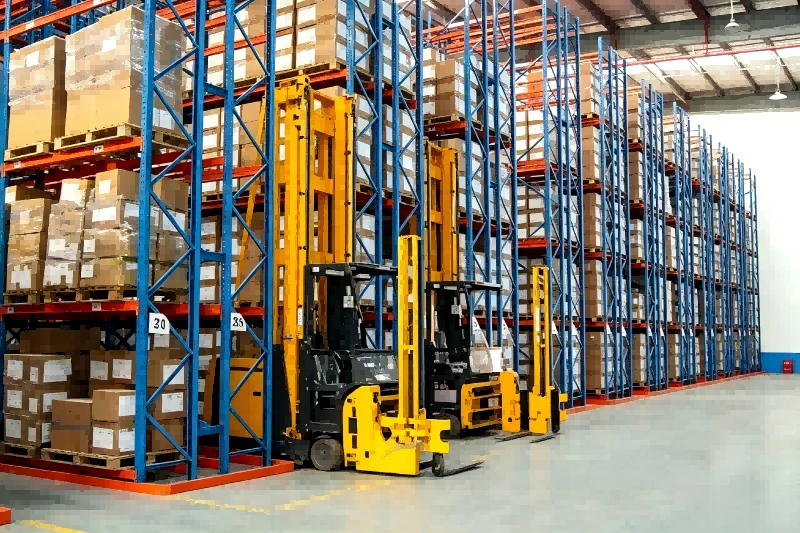
Pallet rack systems are widely used across multiple industries:
Manufacturing raw material storage
E-commerce fulfillment centers
Cold chain logistics warehouses
Pharmaceutical and medical storage
Automotive parts distribution
Each industry requires different load capacities, aisle widths, and inventory strategies, making customized design essential.
Procurement Recommendations
When selecting a pallet rack system, buyers should follow these principles:
Plan before purchasing
Measure before designing
Simulate before installation
Prioritize safety over density
Leave room for future expansion
A warehouse is a long-term asset, and poor planning at the early stage can significantly increase future modification costs.
Conclusion
Pallet Rack systems are not just storage equipment-they are a critical part of modern supply chain infrastructure. A well-designed racking system directly impacts warehouse efficiency, safety, and operational cost.
As logistics networks become more complex and demand continues to grow, businesses must shift from basic storage thinking to system-level warehouse engineering.
With strong engineering capabilities and global project experience, Riches Logistics and Warehousing Co., Ltd. continues to deliver reliable and scalable warehouse solutions, helping companies build smarter, safer, and more efficient storage systems worldwide.
FAQ
1. Do I need warehouse drawings before designing pallet racks?
Yes. Accurate floor plans and height data are essential for engineering design.
2. How do I choose the right rack type for my warehouse?
It depends on SKU quantity, turnover rate, pallet type, and forklift system.
3. Can pallet rack systems be expanded later?
Yes, most modular systems allow horizontal and vertical expansion.
4. How often should pallet racks be inspected?
Typically every 6–12 months depending on usage intensity.
5. Are warehouse standards the same globally?
Not exactly, but most systems follow ISO and FEM international guidelines.
6. Can irregular warehouse layouts still use pallet racking?
Yes, customized engineering design can optimize irregular spaces effectively.