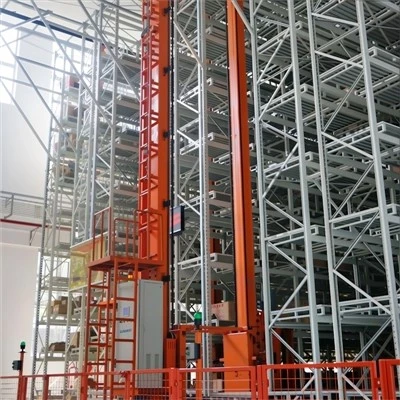
Efficient and flexible storage solutions are foundational to modern supply chain performance. As global commerce evolves-driven by e-commerce growth, labor constraints, and demand for faster order fulfillment-warehouse operations must adapt. Two frequently discussed storage approaches are traditional warehouses and container storage solutions. Understanding the strengths and limitations of each helps businesses align storage infrastructure with operational goals.
This article explores the differences between traditional warehouses and container-based storage systems and highlights how advanced storage container strategies can improve efficiency. It concludes with a detailed introduction to Riches Warehousing & Logistics Co., Ltd., a leading provider of integrated storage container and automated warehousing solutions.
What Is Traditional Warehousing?
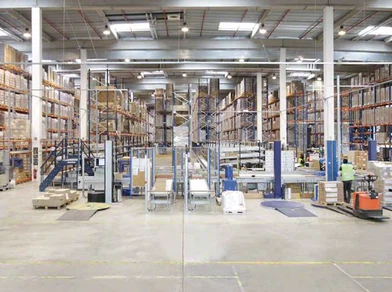
Traditional warehousing involves storing goods in fixed inventory racks, palletized systems, shelving units, or block-stacking within climate-controlled or general-purpose facilities. These facilities are optimized for bulk storage, long-term inventory holding, and conventional material handling processes.
Core Characteristics:
Fixed structure with racking systems and aisles
Manual or semi-automated picking and replenishment
Designed for bulk inventory storage and seasonal demand peaks
Heavy reliance on forklifts, pallet jacks, and personnel
Key Advantages:
Large centralized inventory space
Familiar interface for warehouse staff
Scales vertically with racking and mezzanine design
Typical Drawbacks:
Limited adaptability for fluctuating SKU counts
Longer pick paths in vertical/high-density installations
Intensive labor requirements for inventory movement
What Is Container Storage?

Container storage refers to the use of standardized storage boxes, bins, or modular containers within warehouses. These containers are designed for organized item classification, easy handling, and compatibility with both manual and automated workflows. Unlike bulk pallet storage, container storage emphasizes modularity, accessibility, and bin-level inventory control.
Core Characteristics:
●Modular compartments for goods of varying sizes
●Compatibility with picking carts, conveyors, robots, and conveyors
●Designed for rapid access and SKU-level control
●Works with warehouse management systems (WMS)
Key Advantages:
●Greater SKU granularity
●Fast accessibility and reduced picking times
●Simplified bin-level inventory tracking
●Integrates with automated sorting and retrieval systems
Limitations:
●May require more initial organizational planning
●Higher upfront cost for container inventory and labeling
●May need container standardization across facilities
Direct Comparison: Traditional Warehousing vs. Container Storage
| Dimension | Traditional Warehousing | Container Storage |
|---|---|---|
| Storage Focus | Pallets and bulk | Bin-level, SKU-level |
| Picking Efficiency | Moderate | High |
| Automation Compatibility | Limited | High |
| Space Utilization | Moderate to High | High (modular) |
| Inventory Visibility | Lower | Higher |
| Labor Intensity | High | Lower |
| Best Suited For | Bulk storage & long-hold inventory | High-SKU environments & rapid fulfillment |
In environments with high SKU variation, frequent picking, or automated workflows, container storage provides distinct advantages over traditional bulk storage.
Key Factors in Selecting a Storage Solution
When choosing between traditional warehouse layouts and container-based storage strategies, consider:
●Operational Velocity
High-throughput fulfillment centers benefit from modular container systems designed for quick access and order picking.
●SKU Complexity
Inventory with thousands of distinct SKUs often benefits from bin-level containers to reduce search time and improve accuracy.
●Automation Strategy
Container storage solutions are more compatible with automated systems, including AS/RS (Automated Storage and Retrieval Systems), AGVs (Automated Guided Vehicles), and AMRs (Autonomous Mobile Robots).
●Space Efficiency
Containers can maximize storage density while allowing flexible reconfiguration as inventory profiles change.
●Inventory Management
Containers labeled with barcode or RFID support seamless integration with WMS and real-time data capture.
Warehouse Containers: Practical Benefits
Properly configured container storage delivers:
●Improved Productivity – Faster picking and fulfillment directly reduce order cycle time.
●Reduced Errors – Bin-level tracking enhances accuracy and reduces mispicks.
●Scalability – Containers make it easy to expand operations or reallocate storage zones.
●Cross-Site Standardization – Standard containers simplify SOPs (Standard Operating Procedures) across facilities.
Riches Warehousing & Logistics Co., Ltd.
Riches Warehousing & Logistics Co., Ltd. is a leading China warehouse Storage container manufacturer and professional storage box manufacturer that specializes in providing integrated storage container solutions and warehouse system designs. With extensive industry experience, Riches supports businesses from container supply to comprehensive warehousing optimization.
🌐 Visit the official website: https://www.riches-logistics.com/
Company Strength & Business Scope
Riches delivers a broad portfolio of warehousing products and services:
Standard storage bins, collapsible containers, heavy-duty storage boxes
Solutions that support dynamic sorting, classification, and long-term storage
Tailored container designs based on product dimensions, storage density, and handling systems
Container formats compatible with conveyor systems, robots, and automated retrieval
Support for system design incorporating AS/RS, AGV, AMR, and automated conveyors
Containers engineered for robotics and warehouse automation compatibility
Best-fit solutions based on inventory profiling, throughput modeling, and space optimization
Integration with Warehouse Management Systems (WMS) for real-time stock visibility
What Problems Can Riches Help Solve?
Riches helps enterprises overcome common warehousing challenges such as:
●Low picking efficiency in high-SKU environments
●Poor inventory control and misplaced stock
●Incompatibility with automation systems
●Under-utilized warehouse space
●Operational bottlenecks during peak demand
●By combining container-based storage with workflow automation and intelligent layout planning, Riches empowers warehouses to shift ●toward high-efficiency, scalable operations.
Core Competitive Advantages
✔ Full-Stack Container Solutions
From container manufacturing to deployment solutions, Riches provides end-to-end support.
✔ Custom Engineering Expertise
Riches can tailor container solutions for diverse warehouse layouts and industry-specific requirements.
✔ Automation Compatibility
Containers from Riches are designed for seamless integration with automated transport and picking systems.
✔ Integrated Strategy & Execution
Riches combines consulting, implementation, and post-deployment support, easing transition to advanced warehouse operations.
FAQ
1. What's the main difference between traditional warehouse storage and container storage?
Container storage focuses on modular, SKU-level storage that enables faster picking and better tracking, whereas traditional warehousing emphasizes bulk pallet storage and may not provide fine-grained inventory control.
2. Can container storage be used with warehouse automation systems?
Yes. When designed for compatibility, container storage easily integrates with automated systems like AS/RS, AGVs, and AMRs.
3. How do I choose the right container solution for my warehouse?
Consider inventory complexity, picking frequency, automation strategy, and space constraints. A professional supplier like Riches can assist with tailored assessment.
4. What operational benefits does container storage provide?
Benefits include higher picking efficiency, better space utilization, enhanced inventory accuracy, and improved workflow scalability.
5. Does Riches offer customized storage container solutions?
Yes. Riches designs and manufactures customized storage container solutions tailored to specific warehouse needs, ensuring compatibility with both manual and automated processes.