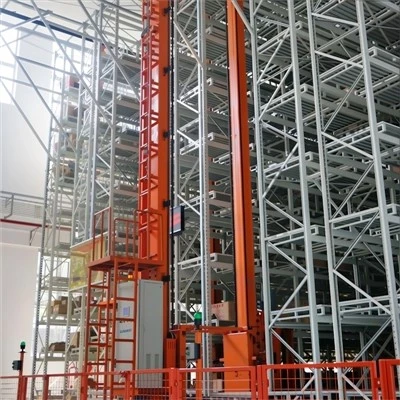
The implementation of automated material handling solutions involves multiple aspects, including technology selection, system integration, on-site adaptation, and operation management. Oversights in any of these areas can affect overall efficiency and reliability. To ensure successful implementation and the continued realization of expected value, the following considerations should be prioritized during the planning and execution phases:
First, precise matching of needs and scenarios is crucial. Different industries have significant differences in the size, weight, shape, and environmental requirements of the objects being handled. Solution design must be based on detailed business data analysis, clearly defining handling frequency, path length, start and end points, and peak load to avoid equipment idleness or overload due to improper selection. Site conditions, such as ground flatness, slope, temperature, humidity, dust, and electromagnetic interference, must also be considered to ensure the selected equipment is compatible with the environment.
Second, system compatibility and scalability are critical prerequisites. Automated material handling equipment must achieve data interoperability with warehouse management systems (WMS), manufacturing execution systems (MES), or higher-level scheduling platforms. Interface protocols and data structures should be standardized in advance to prevent information silos and command delays. The architecture design should adhere to modular principles, reserving expansion interfaces for both hardware and software to facilitate smooth capacity expansion during business growth or process adjustments, reducing later modification costs.
Third, path planning and scheduling logic must be thoroughly validated. When multiple devices operate collaboratively, path conflicts, deadlocks, or efficiency bottlenecks are prone to occur. Simulation tests should be conducted before deployment to evaluate the system's responsiveness under different order combinations and traffic fluctuations. Scheduling algorithms must balance efficiency, energy consumption, and security, with appropriate buffer and avoidance strategies to ensure stable throughput even during peak periods.
Fourth, security measures must be implemented throughout the entire lifecycle. In addition to hardware-level collision avoidance, emergency stops, and audible/visual alarms, speed limits, restricted areas, and access control should be set at the software level, along with a tiered response mechanism for personnel approach and equipment malfunctions. Regular safety training and emergency drills can improve the emergency response capabilities of operators and maintenance personnel, reducing accident risks.
Fifth, the operation and maintenance system and talent pool cannot be ignored. Automated material handling systems rely on precision components and software control; therefore, a preventative maintenance plan must be established, using sensors to monitor the status of critical components to achieve fault early warning and rapid repair. Simultaneously, a multi-skilled operations and maintenance team with expertise in mechanics, electrical engineering, and software should be cultivated to ensure the long-term stable operation of the system.
Finally, return on investment and performance evaluation should be emphasized. Quantifiable KPIs should be established before and after implementation, such as handling efficiency, error rate, equipment utilization rate, and energy consumption levels. Regular post-implementation reviews and analyses should be conducted to continuously optimize strategies.
In conclusion, only through meticulous consideration of demand matching, compatibility and scalability, scheduling verification, safety assurance, operations and maintenance, and performance evaluation can automated material handling solutions fully leverage their advantages of efficiency, flexibility, and safety, providing solid support for modern warehousing and manufacturing systems.