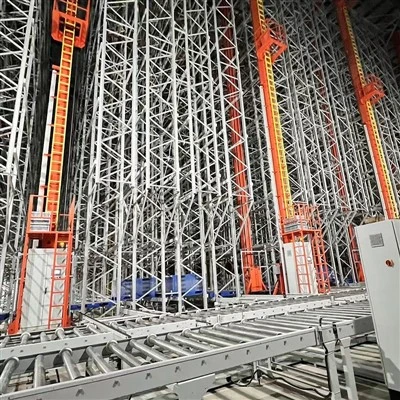
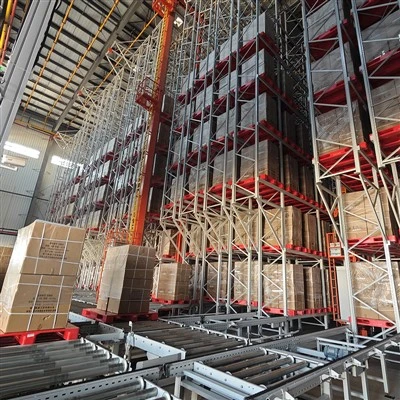
The warehouse of the future is not defined by how much inventory it holds, but by how intelligently every movement is coordinated. Warehouse operations are changing rapidly as companies face higher labor costs, increasing SKU counts, shorter delivery windows, and growing pressure for inventory accuracy. Robotics is becoming an important part of this transformation. From autonomous mobile robots and robotic picking stations to automated storage and retrieval systems, modern warehouse automation can connect storage, transportation, picking, sorting, and software into one coordinated workflow.
For warehouse operators, 3PL providers, manufacturers, retailers, and e-commerce companies, selecting the right robotic warehouse automation manufacturer is an important investment decision. Different suppliers specialize in different technologies, including AMR systems, AS/RS, robotic picking, goods-to-person solutions, conveyor automation, warehouse control software, and complete automated warehouse systems.
This guide introduces 10 internationally recognized companies involved in warehouse robotics and automation, while also explaining what buyers should evaluate before selecting an automation partner.
What Is Robotic Warehouse Automation?
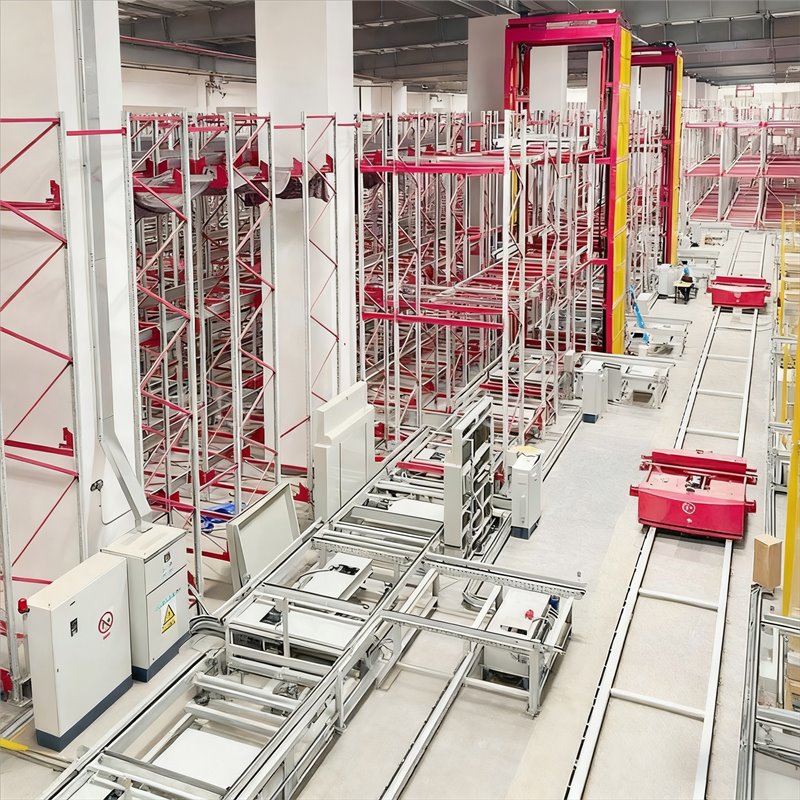
Robotic warehouse automation uses robots, automated equipment, sensors, and software to perform or coordinate warehouse activities with reduced manual intervention.
Depending on the application, a robotic warehouse system may handle:
Automated storage and retrieval
Pallet and carton transportation
Goods-to-person picking
Order picking and replenishment
Sorting and conveying
Inventory movement
Robotic pallet handling
Warehouse data and equipment control
Common technologies include AMR, AGV, AS/RS, robotic picking systems, shuttle systems, conveyor systems, WMS, WES, and WCS.
The right configuration depends on warehouse size, SKU characteristics, throughput requirements, load type, available floor space, labor availability, and integration requirements.
Top 10 Robotic Warehouse Automation Manufacturers In The World
The following companies are selected based on their involvement in warehouse robotics, automated material handling, storage automation, software integration, project capabilities, and international market presence. The list is intended as an industry reference rather than a formal industry ranking.
| Company | Country / Region | Key Warehouse Automation Technologies |
|---|---|---|
| Riches Logistics | China | AS/RS, AGV/AMR, robotic stations, WMS/WES/WCS, picking |
| Daifuku | Japan | AS/RS, conveyors, automated material handling |
| Dematic | Germany / Global | Robotics, AS/RS, conveyors, software |
| SSI SCHAEFER | Germany | AS/RS, robotics, storage and fulfillment |
| Vanderlande | Netherlands | Automated handling, robotics, warehouse systems |
| KNAPP | Austria | Robotics, picking, AS/RS, warehouse software |
| Swisslog | Switzerland | Robotics, AS/RS, goods-to-person automation |
| Mecalux | Spain | Automated warehouses, AS/RS, racking, software |
| Honeywell | USA | Robotics, conveyors, sorting, warehouse software |
| Murata Machinery | Japan | AS/RS, automated handling, logistics systems |
In No Particular Order
Riches Logistics
Riches Logistics is a China-based intelligent warehousing and logistics solutions provider with more than 15 years of digital logistics experience. Founded in 2008, the company provides solutions covering WMS, automated warehouse design, AS/RS, AGV, intelligent sorting, data visualization, robotic stations, and warehouse integration.
Rather than focusing on one individual robot, Riches takes a system-level approach to warehouse automation. Its solutions can connect storage, goods-to-person operations, picking, handling, robotics, and software according to project requirements. The company's current solution portfolio also includes warehouse revamping for facilities that need to modernize existing infrastructure.
For buyers searching for a robotic warehouse automation manufacturer in China, this integrated approach can be useful when a project requires customized warehouse planning rather than a standalone robot.
Daifuku
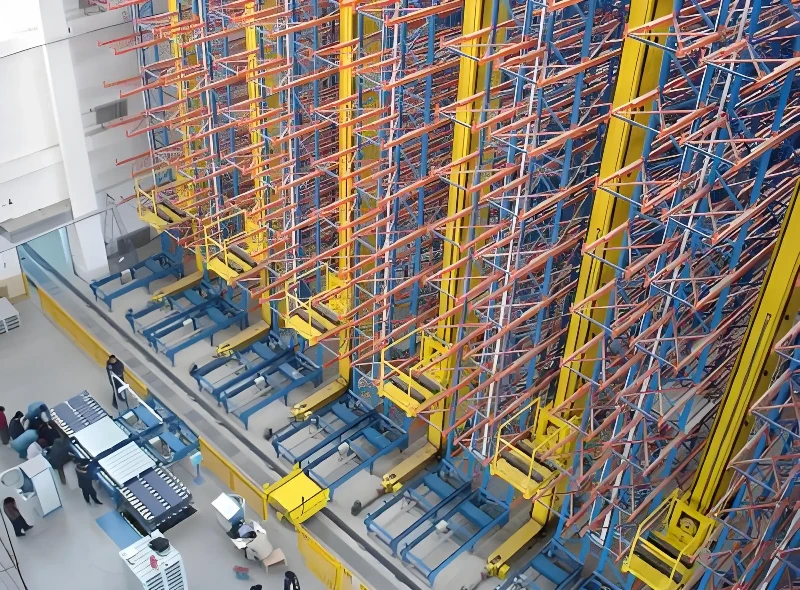
Daifuku is a major Japanese material handling and warehouse automation company. Its solutions cover automated storage and retrieval, conveyors, sorting, material handling, and automated transportation.
Its broad product portfolio allows warehouse operators to automate multiple stages of material flow, making it relevant to large manufacturing, distribution, airport, and logistics applications.
Dematic
Dematic provides automated material handling and warehouse technology for distribution and fulfillment operations. Its portfolio includes automation equipment, robotics, conveyors, storage solutions, and warehouse software.
Dematic is particularly associated with large-scale warehouse automation projects where material handling equipment and software need to work as an integrated system.
SSI SCHAEFER
SSI SCHAEFER provides automated storage, warehouse equipment, fulfillment technology, and software solutions. Its automation portfolio supports different load types, from pallets to smaller containers and goods.
The company is relevant to businesses looking for integrated ASRS warehouse automation, storage density improvements, order fulfillment, and warehouse software connectivity.
Vanderlande
Vanderlande develops automated logistics solutions for warehouses, distribution centers, airports, and parcel operations. Its technologies include automated material handling, storage, picking, sorting, and software.
Its experience in high-throughput logistics makes it relevant to large distribution environments where throughput and automated material flow are major considerations.
KNAPP
KNAPP focuses on intelligent warehouse and fulfillment automation, including robotics, picking systems, automated storage, and software.
Its technologies are used across industries such as retail, healthcare, manufacturing, and e-commerce. For operations with complex order profiles, robotic picking and goods-to-person solutions can help reduce unnecessary operator travel.
Swisslog
Swisslog specializes in warehouse automation, robotics, software, and automated storage and retrieval technology. Its solutions support goods-to-person fulfillment and automated material flow.
A major consideration in a Swisslog-type automation project is the interaction between physical equipment and warehouse software, particularly when multiple automation technologies need to operate within one facility.
Mecalux
Mecalux combines warehouse storage equipment, automated warehouse systems, and warehouse management software. Its portfolio includes automated storage and retrieval systems, pallet storage, picking solutions, and digital warehouse management.
This combination is relevant to companies that want to connect traditional storage infrastructure with automated warehouse technologies.
Honeywell
Honeywell provides warehouse automation technologies covering robotics, conveyors, sortation, scanning, software, and distribution-center automation.
Its automation portfolio is suited to operations that require coordinated movement and order fulfillment across different warehouse processes. Integration between automation hardware and software is an important part of its approach.
Murata Machinery
Murata Machinery is a Japanese industrial automation company with solutions covering automated storage, material handling, transportation, and logistics systems.
Its warehouse automation technologies are applicable to manufacturing and distribution environments where automated material movement and storage need to be connected with production or logistics processes.
How To Choose A Robotic Warehouse Automation Manufacturer
The largest company is not necessarily the right supplier for every warehouse project. Buyers should evaluate the technical requirements of the facility before comparing quotations.
1. Check The Automation Technology
Determine whether the supplier provides the technology your warehouse actually needs.
For example:
| Warehouse Requirement | Suitable Technology |
|---|---|
| High-density pallet storage | Pallet AS/RS |
| High-throughput carton storage | Shuttle AS/RS |
| Small-item fulfillment | Mini-load AS/RS |
| Flexible transportation | AMR / AGV |
| Goods-to-person picking | Robotic picking / GTP |
| Automated sorting | Sorter + conveyor system |
| Inventory management | WMS / WES / WCS |
| Existing warehouse upgrade | Warehouse revamping |
A supplier with a broader technology portfolio can potentially design a more coordinated system instead of combining unrelated equipment from multiple vendors.
2. Evaluate Software Integration
Warehouse robotics cannot operate efficiently as an isolated technology. The automation layer needs to communicate with inventory and order management systems.
Important integration points include:
ERP
WMS
WES
WCS
Warehouse robots
Conveyors
AS/RS
Sorting systems
Inventory databases
Riches, for example, provides WMS, WES and WCS-related software capabilities alongside physical automation technologies.
3. Consider Warehouse Scalability
Warehouse requirements can change after installation. SKU numbers may increase, order volumes may change, and additional storage areas may be required.
A scalable automated warehouse system should therefore allow future expansion where practical, rather than being designed only around today's workload.
4. Look Beyond Equipment Price
The initial equipment quotation is only one part of the investment.
Buyers should also consider:
System integration cost
Installation
Commissioning
Software
Training
Maintenance
Spare parts
Energy consumption
Future expansion
Technical support
The objective should be to evaluate the overall operating value of the warehouse automation system rather than simply choosing the lowest equipment price.

Why Choose Riches For Robotic Warehouse Automation?
Riches combines warehouse planning, automation technology, software integration, and implementation support within one solution framework. Its website identifies storage, goods-to-person, picking, handling, robotic stations, software, and warehouse revamping as key areas of its automation portfolio.
Its AS/RS solutions can incorporate crane-based systems, shuttle robots, cube storage, AGV/AMR equipment, and WMS/WES/WCS software depending on the warehouse application.
This makes Riches relevant to manufacturers, e-commerce businesses, FMCG companies, pharmaceutical companies, and logistics operators looking for customized warehouse automation solutions rather than a single standardized machine.
The company also reports project results including improvements in inventory turnover, sorting efficiency, and warehouse operation accuracy across different applications. These figures are company-reported project results and should be evaluated against the specific conditions of each customer's facility.
6 Frequently Asked Questions About Robotic Warehouse Automation
AMRs generally use sensors and navigation technologies to dynamically determine routes, while traditional AGVs commonly follow predefined paths or guidance systems. The appropriate choice depends on warehouse layout, traffic, load requirements, and the desired level of flexibility.
There is no standard price because the investment depends on warehouse size, storage capacity, robot quantity, throughput, load type, software, conveyors, AS/RS configuration, installation, and integration requirements. A professional supplier normally needs project data before preparing a quotation.
Yes. Many modern warehouse automation projects are designed to integrate with an existing WMS or ERP. However, the required interface and communication architecture should be confirmed during the project design stage.
AS/RS is not limited to large distribution centers. Mini-load systems, shuttle systems, vertical storage solutions, and other compact configurations can be considered for facilities with limited space. The correct system depends on SKU dimensions, inventory volume, throughput, and storage requirements.
In many cases, yes. A phased automation strategy can begin with selected processes such as storage, transportation, or picking and expand later. However, future expansion should be considered during the initial system architecture and software design.
Useful information includes warehouse dimensions, available height, SKU quantity, product dimensions and weight, pallet or tote specifications, daily inbound and outbound volume, peak throughput, order structure, current WMS/ERP, picking method, and expected future capacity.
Conclusion
Robotic warehouse automation is moving beyond individual machines toward integrated systems that connect storage, transportation, picking, sorting, robotics, and warehouse software. Technologies such as AMR, AGV, AS/RS, robotic picking, goods-to-person systems, and WMS/WES/WCS can be combined according to the operational requirements of each facility.
The manufacturers discussed above represent different approaches to warehouse robotics and automation. For buyers, the key is to evaluate technology coverage, integration capability, scalability, implementation experience, service support, and total operating value.
For companies seeking a customized robotic warehouse automation solution, Riches provides an integrated portfolio covering AS/RS, AGV/AMR, robotic stations, automated picking, goods-to-person systems, warehouse software, and warehouse revamping.
A detailed analysis of warehouse processes before purchasing is ultimately the best starting point for selecting an automation architecture that can support current operations while leaving room for future growth.