

Every square meter of warehouse space represents a valuable investment. The key to maximizing that investment is not simply adding more racks, but creating a storage system that is safe, efficient, and designed according to real load requirements."
Modern warehouses are under increasing pressure to store more goods while maintaining operational safety and improving efficiency. Whether it is a distribution center, manufacturing facility, cold storage warehouse, or e-commerce fulfillment center, selecting the right warehouse racking system requires a clear understanding of weight capacity.
The warehouse racking weight capacity determines how much load each rack level, bay, and entire storage structure can safely support. Incorrect calculations can lead to rack deformation, equipment damage, operational risks, and unnecessary replacement costs.
This guide explains the basics of warehouse racking load capacity, the factors affecting rack strength, common pallet racking system capacity standards, and how businesses can select the right industrial warehouse racking solution for their storage needs.
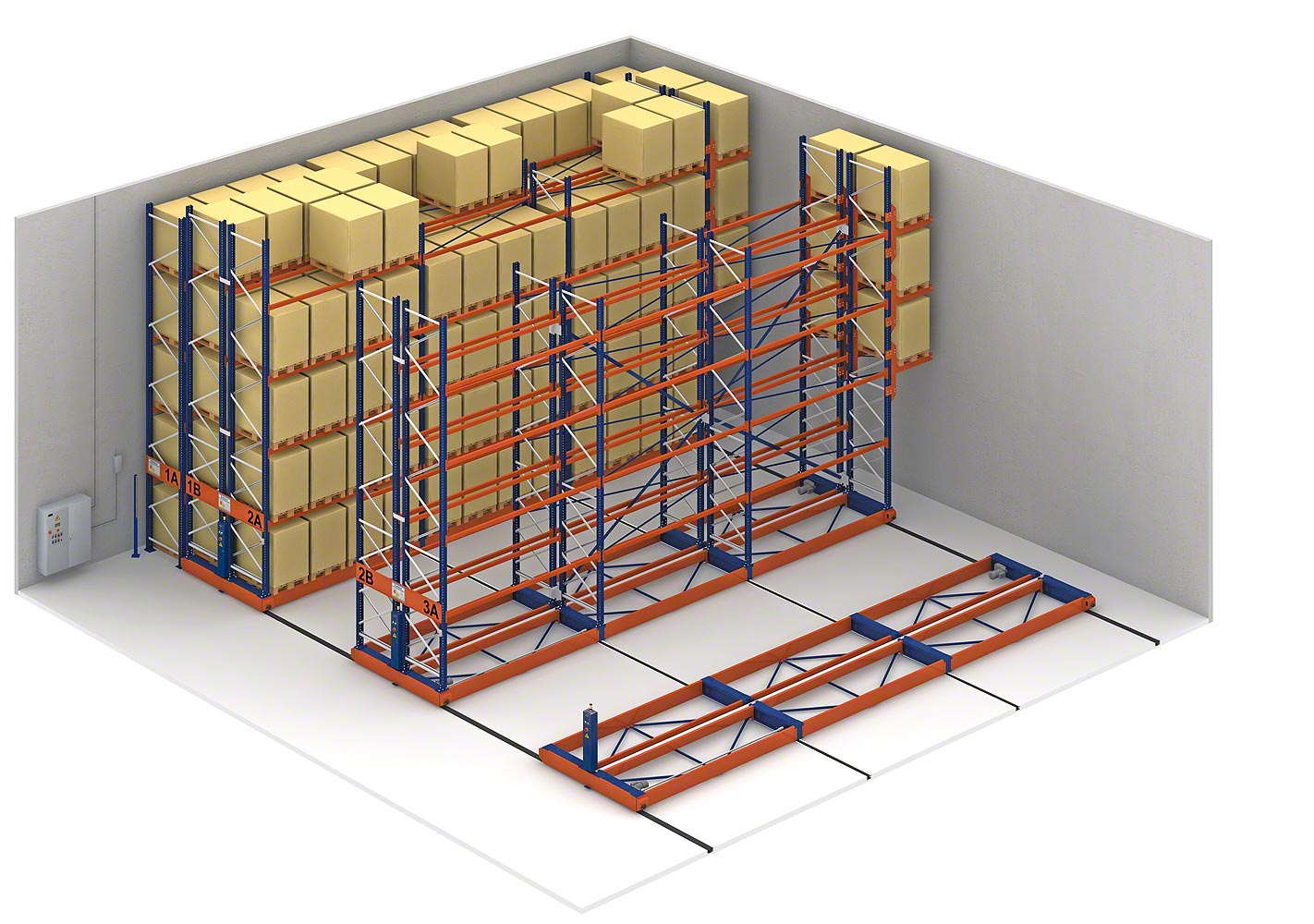
What Is Warehouse Racking Weight Capacity?
Warehouse racking weight capacity refers to the maximum load that a storage rack system can safely hold under normal operating conditions.
Unlike simple storage shelves, industrial warehouse racks are engineered structures designed to support heavy materials, pallets, and handling operations. The capacity is usually calculated based on:
Upright frame strength
Beam loading capability
Rack configuration
Load distribution
Pallet size and weight
Floor conditions
Material quality
Safety standards
A professional warehouse racking system should always have a clearly defined load rating provided by the manufacturer. Operators should never exceed the recommended capacity because even a small overload can affect the stability of the entire structure.
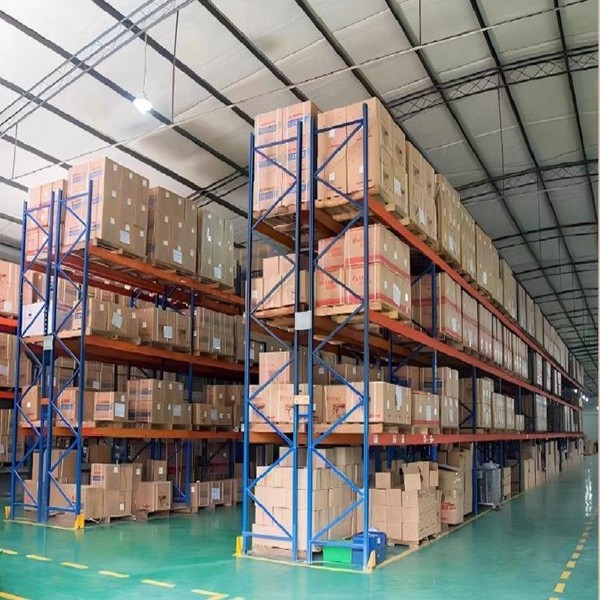
Why Understanding Rack Capacity Is Important
Choosing racks only based on appearance or available warehouse space can create serious problems. Understanding capacity requirements helps companies achieve:
The primary purpose of calculating rack capacity is preventing accidents.
Overloaded racks may experience:
Bent beams
Damaged upright frames
Rack collapse
Product falling hazards
Equipment collision risks
A correctly designed heavy duty warehouse rack system ensures safe daily operations for workers and forklifts.
A properly selected racking system allows warehouses to maximize vertical storage space.
For example, a high-capacity pallet racking system can store more products vertically instead of expanding the warehouse footprint.
This helps companies:
Increase storage density
Reduce rental costs
Improve inventory organization
Optimize warehouse layout
Using unsuitable racks often creates additional expenses, including:
Frequent rack replacement
Maintenance costs
Product damage
Warehouse downtime
A professional warehouse storage solution considers future growth and operational requirements, reducing unnecessary investment.
Key Factors Affecting Warehouse Racking Weight Capacity
The load capacity of warehouse racks depends on multiple design factors. Buyers should evaluate each factor before purchasing.
Rack Type and Structure Design
Different warehouse racking systems have different load capabilities.
Common types include:
| Rack Type | Typical Application | Capacity Characteristics |
|---|---|---|
| Selective Pallet Racking | General warehouses, distribution centers | Flexible configuration with medium to high load capacity |
| Drive-In Racking | High-density storage | Designed for large quantities of similar products |
| Cantilever Racking | Long materials such as pipes and panels | Strong horizontal load support |
| Automated Storage Rack | ASRS warehouses | Designed for precision and high-density operations |
| Heavy Duty Racking | Manufacturing and logistics centers | High load-bearing capability |
Selecting the correct rack structure is the first step in achieving reliable storage performance.
Understanding Pallet Racking System Load Ratings
A pallet racking system normally includes several important capacity measurements.
Beam capacity refers to the maximum weight a horizontal beam level can support.
For example:
One beam pair may support 2,000 kg
Multiple beam levels create the total rack capacity
Beam capacity depends on:
Beam size
Steel thickness
Beam length
Connection design
The upright frame supports the vertical load transferred from beams and stored goods.
Important factors include:
Upright column profile
Steel grade
Frame height
Bracing structure
Higher warehouse racks require stronger upright designs because vertical pressure increases with height.
Bay capacity refers to the maximum weight a complete rack section can hold.
A warehouse bay usually consists of:
Two upright frames
Multiple beam levels
Connectors and safety accessories
The total bay capacity is not simply the sum of individual beam capacities because the entire structure must remain balanced.
Common Warehouse Racking Capacity Levels
Different industries require different storage capacities. Below is a general reference:
| Warehouse Racking Type | Approximate Load Range | Common Applications |
|---|---|---|
| Light Duty Rack | 100–500 kg per level | Small parts storage, workshops |
| Medium Duty Rack | 500–1,500 kg per level | Retail warehouses, spare parts |
| Heavy Duty Rack | 1,500–5,000+ kg per level | Industrial warehouses, manufacturing |
| Automated Warehouse Rack | Customized based on system design | Smart warehouses, ASRS |
Actual capacity depends on rack design, material specifications, and installation conditions.
How to Calculate Warehouse Racking Weight Capacity
Before purchasing a warehouse racking system, companies should evaluate several basic parameters.
Identify:
Maximum pallet weight
Product dimensions
Packaging method
Storage frequency
The rack should be designed according to the heaviest expected load, not the average load.
Consider:
Number of pallets per bay
Number of rack levels
Required storage height
Forklift operation method
For example, a warehouse storing four pallets on each level requires a different design compared with a system storing two larger pallets.
Professional manufacturers include safety margins in rack design.
Safety factors consider:
Daily loading and unloading cycles
Forklift impact risks
Uneven loading conditions
Environmental conditions
This ensures the rack remains stable during long-term operation.
How to Choose the Right Warehouse Racking System
Selecting the right warehouse racking system requires more than checking the maximum weight capacity. A reliable storage solution should match the warehouse layout, product characteristics, operational process, and future expansion requirements.
Before making a purchasing decision, companies should evaluate the following factors.
The first step is understanding the available warehouse environment.
Important factors include:
Warehouse height
Floor area
Column position
Aisle width
Loading and unloading areas
Fire safety requirements
A well-designed industrial warehouse racking layout can significantly improve storage density while maintaining smooth material handling operations.
For warehouses with limited floor space, vertical storage solutions can increase capacity without expanding the building area.
Different products require different rack structures.
For example:
Heavy machinery parts require heavy duty warehouse racks
Food and beverage products may require hygienic and easy-to-clean solutions
Long steel materials require cantilever racks
High-volume standard pallets are suitable for pallet racking systems
The weight, size, turnover rate, and packaging method of goods directly influence rack design.
Forklifts and automated equipment also affect rack selection.
Common equipment includes:
Counterbalance forklifts
Reach trucks
Stacker cranes
Automated guided vehicles (AGVs)
A warehouse racking system should provide enough aisle space and structural strength to support daily operations.
For modern smart warehouses, racks must also integrate with automated systems to achieve efficient inventory management.
Warehouse Racking Weight Capacity: Manual Storage vs Automated Storage
With the development of intelligent logistics, many companies are upgrading from traditional storage systems to automated warehouse solutions.
The differences between traditional and automated racking systems are shown below:
| Comparison | Traditional Warehouse Racking | Automated Warehouse Racking |
|---|---|---|
| Operation Method | Manual forklift operation | Automated cranes, robots, AGVs |
| Storage Density | Medium | High-density storage |
| Inventory Management | Manual or semi-automatic | Digital management system |
| Labor Requirement | Higher | Lower |
| Accuracy | Depends on operators | Higher accuracy |
| Suitable Industries | General warehouses | Smart logistics centers |
An automated warehouse system requires more precise rack manufacturing because the rack structure must work together with automation equipment.
Common Mistakes When Selecting Warehouse Racks
Many warehouse projects fail to achieve expected performance because of incorrect rack selection.
Low-cost racks may use thinner materials or simplified structures, which can reduce durability and safety.
A reliable warehouse storage solution should focus on:
Material quality
Load capacity
Manufacturing standards
Service life
Warehouse requirements often change as businesses grow.
A professional design should consider:
Increased inventory volume
Additional storage levels
New product categories
Automation upgrades
Choosing an expandable rack system reduces future modification costs.
Even high-quality racks may perform poorly if installation is incorrect.
Professional installation should include:
Rack alignment inspection
Bolt tightening checks
Load testing
Safety accessory installation
Correct installation ensures the actual capacity matches the designed capacity.
Maintenance Tips to Keep Warehouse Racking Safe
Regular inspection helps maintain warehouse rack performance and prevents unexpected failures.
Recommended maintenance practices include:
Check for:
Bent beams
Damaged columns
Loose connections
Corrosion
Missing safety components
Operators should follow the rated capacity labels installed on the rack system.
Do not:
Add extra pallets beyond the rated limit
Store uneven loads
Place damaged pallets on racks
Employees should understand:
Maximum load limits
Correct pallet placement
Forklift operation procedures
Rack protection methods
Proper operation extends rack service life.
Riches: Professional Intelligent Warehouse Storage Solution Provider
With the increasing demand for efficient logistics management, companies need more than traditional storage equipment. They require complete intelligent warehousing solutions that improve space utilization, inventory accuracy, and operational efficiency.
Riches Logistics focuses on providing advanced warehouse automation and storage solutions for global customers. The company combines warehouse planning, intelligent equipment, and system integration capabilities to help businesses optimize their logistics operations.
Riches provides solutions including:
Automated Storage and Retrieval Systems (ASRS)
Intelligent warehouse management solutions
Automated handling systems
Customized warehouse planning
Integrated logistics optimization
By analyzing warehouse requirements, product characteristics, and operational processes, Riches develops customized solutions designed to improve storage efficiency and reduce long-term operating costs.
For companies upgrading from traditional industrial warehouse racking to smart logistics systems, professional planning and engineering support are essential to achieving higher warehouse performance.

Why Choose a Professional Warehouse Racking Solution Provider?
A qualified supplier should provide more than standard racks. Buyers should look for:
Every warehouse has different requirements. Professional suppliers analyze:
Storage capacity needs
Warehouse structure
Workflow
Automation requirements
to create suitable solutions.
Reliable manufacturers use:
High-strength steel materials
Advanced production processes
Strict quality inspections
to ensure stable performance under heavy loads.
A professional partner can provide:
Layout design
Production
Installation guidance
Technical support
System upgrades
This reduces project risks and improves implementation efficiency.
6 Frequently Asked Questions About Warehouse Racking Weight Capacity
Warehouse racking weight capacity is calculated based on beam strength, upright frame design, rack configuration, material specifications, and load distribution. Professional manufacturers evaluate the complete structure rather than individual components only.
Overloading may cause beam deformation, structural instability, product damage, or even rack collapse. Always operate within the manufacturer's recommended load limits.
The capacity depends on the rack design and application. Heavy duty warehouse racks can typically support thousands of kilograms per level, but the exact capacity must be confirmed according to dimensions, materials, and configuration.
Yes. Professional suppliers can customize rack height, width, load capacity, accessories, and layout according to warehouse conditions and storage requirements.
Buyers should provide:
Warehouse dimensions
Product size and weight
Required storage quantity
Pallet specifications
Forklift type
Expected storage height
These details help suppliers design an accurate solution.
Yes. Many modern warehouse racks are designed for integration with automated storage systems. Automated warehouse racks require higher manufacturing precision and stronger structural stability to support automated operations.
Conclusion
Understanding warehouse racking weight capacity basics is essential for creating a safe, efficient, and cost-effective storage environment.
The right warehouse racking system should not only support the required load but also improve warehouse space utilization, operational efficiency, and future scalability.
From traditional pallet racking systems to advanced automated warehouse systems, businesses should select solutions based on actual storage requirements, product characteristics, and long-term development plans.
Working with an experienced warehouse solution provider helps ensure that every rack is properly designed, manufactured, and implemented for reliable performance.
A well-planned industrial warehouse racking solution is not only a storage investment-it is a foundation for safer operations, smarter logistics, and sustainable business growth.


