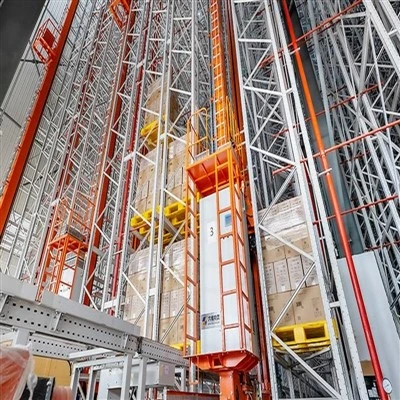
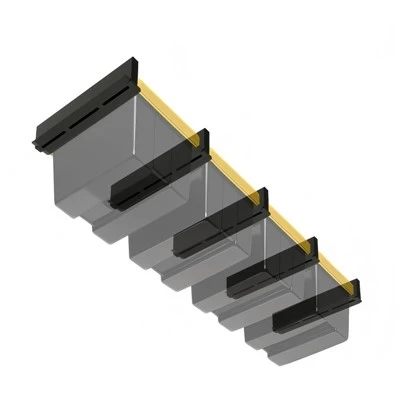
In modern warehousing and industrial logistics systems, storage racks are not just storage structures-they are the backbone of operational safety, efficiency, and long-term cost control. In heavy-duty environments where high loads, frequent forklift operations, and continuous workflows are common, rack durability directly determines warehouse stability and performance.
As a professional warehousing solutions provider, Riches Logistics focuses on high-strength storage systems and customized warehouse engineering, helping global customers build safer, more stable, and longer-lasting storage infrastructures.
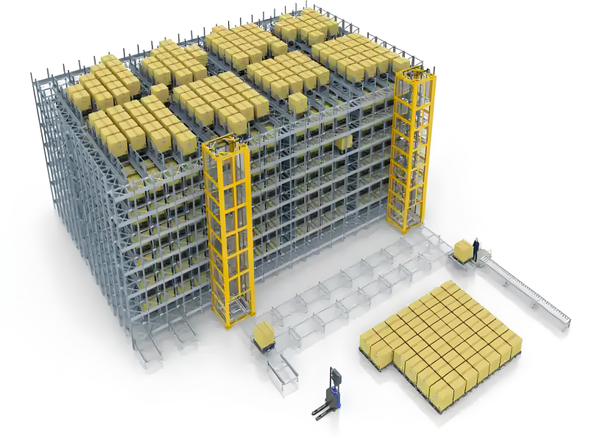
Why durability of industrial storage racks matters
In heavy industrial environments, storage racks are constantly exposed to multiple stress factors:
Frequent forklift traffic and potential impact damage
Long-term static heavy loading
Mixed-size pallet storage and uneven weight distribution
Dust, humidity, and chemical exposure
24/7 continuous warehouse operations
Once a rack system fails, it can lead to product loss, operational downtime, and serious safety risks. That is why industrial-grade racks must meet much higher engineering standards than general storage systems.
Key factors that determine the lifespan of storage racks
High-strength steel as the foundation
Industrial racks are typically made from structural steel such as Q235B or Q355B, offering:
Higher load-bearing capacity
Stronger impact resistance
Better long-term structural stability
Compared to standard steel, these materials significantly reduce deformation under heavy loads, ensuring long service life.
Structural engineering design
Durability is not only about materials, but also about engineering design. High-performance rack systems often include:
Reinforced upright frames (U-shaped or box-type columns)
High-density beam support structures
Optimized load distribution design
Modular connection systems
These structural designs help evenly distribute pressure and prevent localized stress failure.
Anti-impact protection systems
In real warehouse operations, forklift collisions are one of the most common causes of rack damage.
High-quality systems usually include:
Upright column protectors
Base guard rails
End-frame impact barriers
High-visibility safety markings
These protective components significantly reduce structural damage caused by accidental impacts.
Surface treatment and corrosion resistance
Corrosion is one of the most critical long-term threats in industrial environments. Common protective finishes include:
Powder coating
Hot-dip galvanizing
Epoxy resin coating
These treatments help isolate moisture, chemicals, and oxygen exposure, significantly extending rack lifespan.
Proper installation and warehouse layout
Even the best rack system can fail prematurely if installed incorrectly.
Key installation factors include:
Floor flatness and load-bearing capacity
Anchoring strength and fixation method
Correct rack spacing and aisle design
Balanced load distribution planning
A well-designed layout reduces unnecessary structural stress and improves overall efficiency.
Regular maintenance and inspection
Long-term durability also depends on continuous maintenance:
Periodic bolt and joint tightening
Structural deformation inspection
Cleaning dust and corrosion sources
Safety labeling updates
Scheduled warehouse safety audits
Many rack failures are caused not by material defects, but by lack of maintenance.
Riches Logistics advantage in industrial storage rack systems
As a specialist in industrial warehousing solutions, Riches Logistics delivers value through:
✔ Heavy-duty engineering design
Optimized for manufacturing plants, logistics hubs, and high-frequency warehouse operations.
✔ Custom-built storage systems
Tailored rack solutions based on warehouse layout, product type, and workflow requirements.
✔ Long-term operational stability
From material selection to structural reinforcement, systems are designed to reduce long-term maintenance costs and extend service life.

How to choose long-lasting industrial storage racks
When selecting storage racks, buyers should evaluate:
Structural steel grade and thickness
Anti-impact protection features
Corrosion-resistant surface treatment
Customization and scalability options
Compliance with industrial safety standards
Long-term technical support availability
These factors directly determine whether a rack system can operate safely for many years.
Conclusion
The lifespan of industrial storage racks is not determined by a single factor, but by the combination of material strength, structural engineering, protective systems, installation quality, and maintenance practices.
When all these elements are properly integrated, storage racks can operate safely and efficiently for over a decade in demanding environments.
Through advanced engineering and customized warehouse solutions, Riches Logistics continues to support global industries in building safer, more durable, and more efficient storage infrastructures.
Frequently Asked Questions (FAQ)
How long do industrial storage racks usually last?
With proper installation and maintenance, high-quality industrial racks can last 10–20 years or even longer depending on usage intensity.
What are the main causes of rack failure?
The most common causes include forklift impact, overloading, corrosion, and improper installation.
Can storage racks be customized for different warehouses?
Yes. Height, load capacity, number of levels, and structural design can all be customized based on warehouse requirements.
How can I tell if a storage rack needs replacement?
Visible deformation, cracked welds, beam bending, or reduced load capacity are key warning signs.
Is corrosion protection really necessary?
Yes. Anti-corrosion coatings significantly extend lifespan, especially in humid or chemical-prone environments.
How often should racks be inspected?
It is recommended to conduct a full inspection every 3–6 months to ensure structural safety and long-term stability.